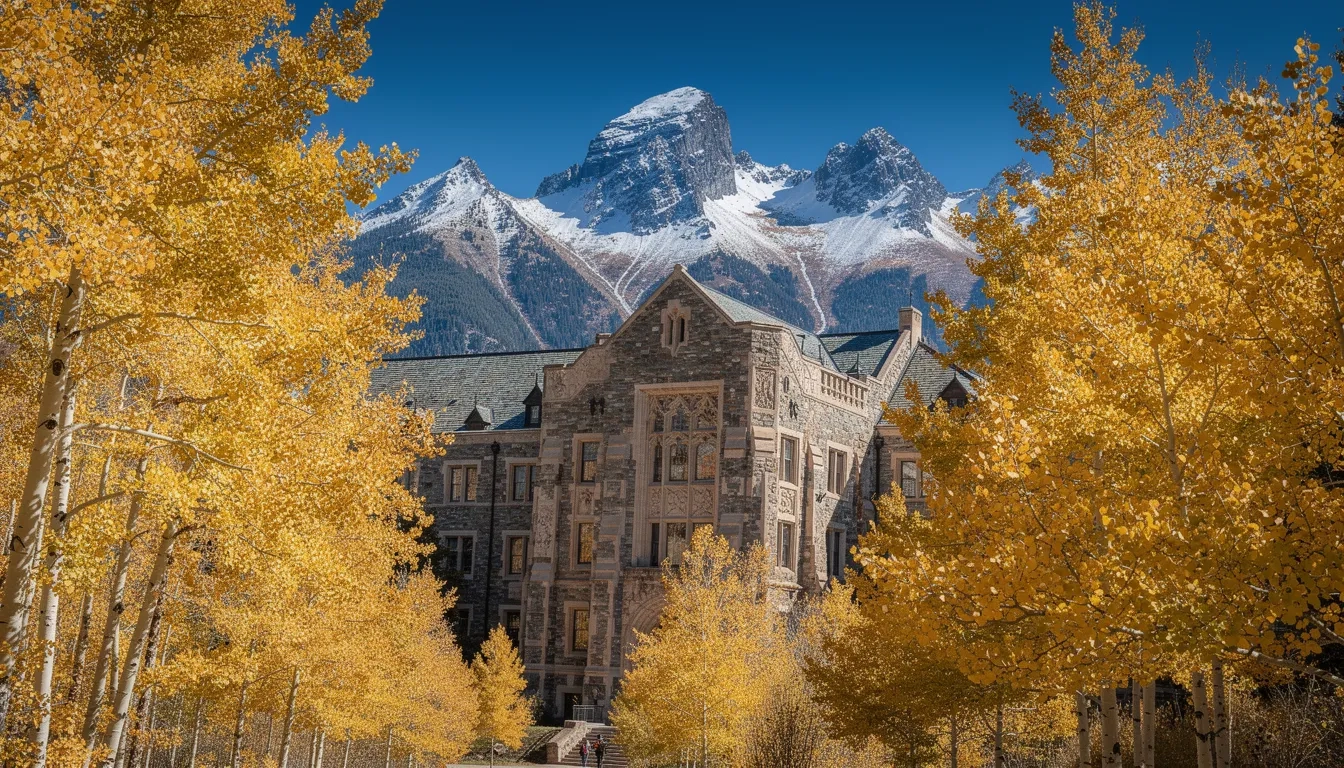
Urban vs. Rural Campus: What to Actually Consider Before You Choose
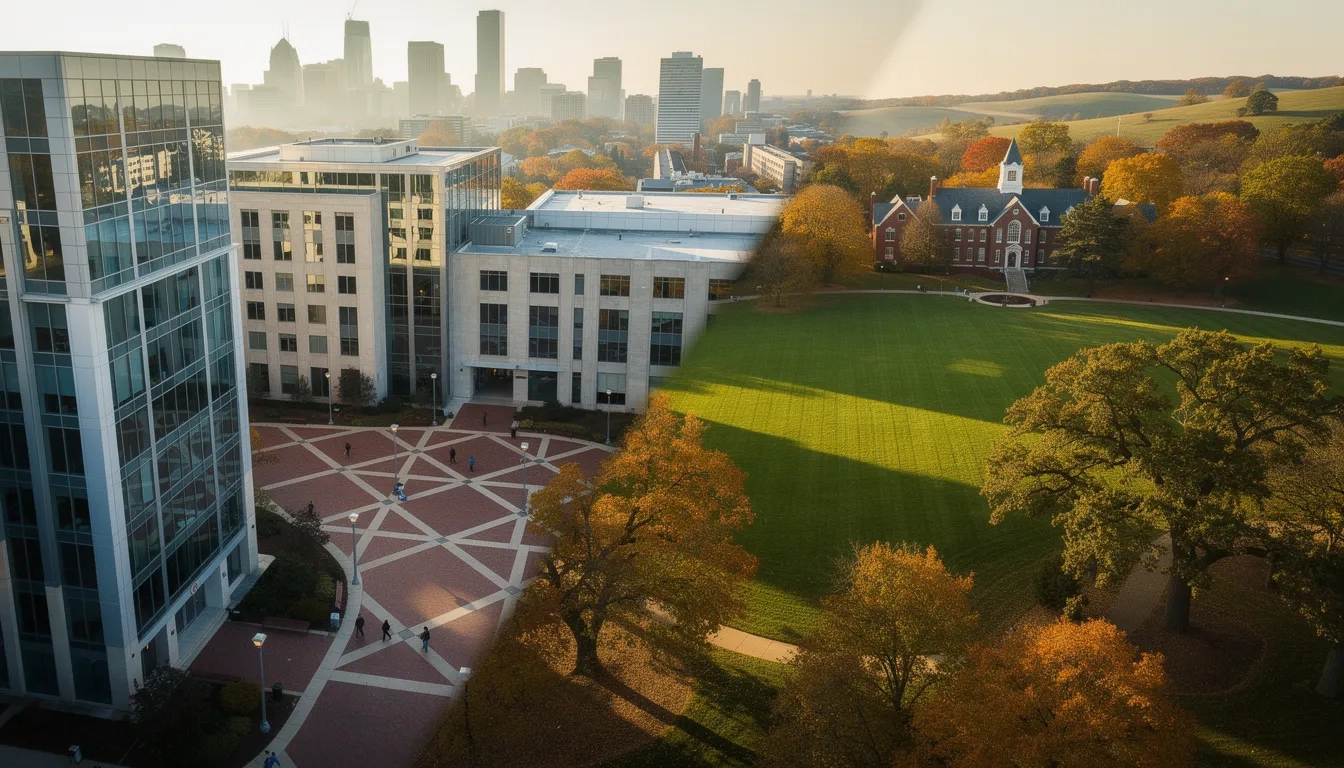
A kid who grew up in Manhattan and picks Carleton College in Northfield, Minnesota (population well under 25,000) is choosing a life, not just a major. Same goes for the Nebraska farm kid who lands at NYU and discovers that "campus" is basically a subway map. Nobody tells you this loudly enough during college tours: the setting shapes your four years almost as much as the classes do.
Most students obsess over rankings, majors, and acceptance odds. Fair enough. But the physical place you'll live, eat, and walk to class in — city block or cornfield — determines your budget, your social life, and honestly, how easy it is to get an internship without begging for a ride. Here's what actually matters when you're weighing urban against rural, with a nod to the suburban middle ground most guides gloss over, and a few edge cases the glossy brochures conveniently skip.
What "Urban" and "Rural" Actually Mean
Colleges don't self-report their vibe. There's a rough classification most counselors use, borrowed from population data: rural campuses sit in towns under 25,000 people, suburban ones land between 25,000 and 200,000, and urban campuses are embedded in cities north of 200,000.
That's not a perfect system. Bucknell University is technically rural but feels more polished than "rural" implies. NYU sits inside a city of 8 million and feels nothing like Northeastern's Boston campus, even though both count as urban. The label is a proxy for density, not a promise about what daily life will feel like — two "urban" schools can differ as much from each other as an urban school differs from a rural one.
So treat the label as a starting point, not gospel. Ask three sharper questions instead:
- How far is the nearest grocery store, and can I walk there?
- What's within a 20-minute radius if I don't own a car?
- Does the college "end" at a gate, or does it just dissolve into the city?
Why the Label Still Matters
Even a rough label predicts real tradeoffs. Rural schools like Middlebury College or Carleton concentrate almost everything — dining, events, friend groups — inside campus boundaries. Urban schools like UCLA or NYU push you outward, whether you're ready or not. The practical effect shows up in small, cumulative ways: how often you leave your dorm on a random Tuesday, how much planning a weekend trip requires, whether "going out" means walking across a quad or catching a train.
Location isn't a lifestyle preference you bolt on after picking the "right" school academically. It's a daily-life variable that touches your wallet, your sleep schedule, and your sense of belonging.
Community and Social Life
Here's the honest tradeoff nobody puts on a brochure. Rural and suburban campuses tend to build tighter communities because there's simply nowhere else to go. Most students live on campus, most events happen on campus, and you'll run into the same 200 people at brunch for four straight years. That repetition isn't accidental — it's structural, baked into the geography, and it tends to produce fast, durable friendships by sophomore year.
Urban campuses trade that closeness for range. NYU doesn't have a traditional quad — Washington Square Park does double duty — and plenty of students live off campus by sophomore year. The result: less forced togetherness, more self-directed social life. You'll meet more people overall, but the college won't do the introducing for you the way a rural dorm hallway naturally does.
Neither is better. It depends entirely on how you're wired.
- Pick rural/suburban if you want built-in community without much effort, and you don't mind seeing the same faces constantly.
- Pick urban if you want to build your own circle from a bigger, more varied pool, even if that takes more initiative.
A common mistake: assuming urban means lonelier. It doesn't have to. It just means community isn't handed to you at orientation — you have to go find it, in clubs, dorms, or a favorite coffee shop three blocks off campus. The flip side deserves equal weight, too: transfer students and late bloomers sometimes find rural schools claustrophobic precisely because the social scene locks into place early and stays that way, with little room to reinvent yourself junior year the way a bigger city allows.
Money: The Part Nobody Budgets For
This is where the decision gets concrete fast. Cost of living in rural areas runs meaningfully lower than in major cities — rent, food, utilities, even the price of a pizza on a Friday night.
Urban students face a different math problem. Higher off-campus rent, pricier groceries, and a social scene that constantly tempts you to spend — a $9 latte here, a $22 movie ticket there — adds up over eight semesters. Run the numbers on a typical week: two coffee runs, one movie, a couple of takeout orders, and a subway pass can easily clear $80 in a city, versus maybe $25 for the same rough activities in a small college town where the dining hall covers most meals anyway. Multiply that gap by 30 weeks a year and four years, and it becomes a real budget line, not a rounding error.
On the flip side, rural students often can't avoid spending on transportation, since getting anywhere requires either a car payment or a rideshare fee. Insurance, gas, and a parking permit can run several hundred dollars a semester before you've driven anywhere meaningful.
| Factor | Urban Campus | Rural Campus |
|---|---|---|
| Daily cost of living | Higher (rent, food, entertainment) | Lower overall |
| Transportation cost | Lower (public transit, walkable) | Higher (car often required) |
| Internship access | High, often unpaid stipend gaps still hurt | Limited, may require relocation for summer |
| Housing availability | Expensive, competitive | Cheaper, but limited variety |
| Part-time job options | Abundant, flexible hours | Fewer, mostly campus-based |
Do the actual math before you fall in love with a campus tour. A school with a lower sticker price but a downtown Boston zip code can cost more, in real terms, than a pricier school tucked into rural Vermont. Ask the financial aid office for average off-campus rent figures near the school, not just the tuition sticker — that single number often reveals more about your real four-year cost than the headline price tag does.
Getting Around Without a Car
This one trips up more freshmen than any other factor. Urban campuses win decisively on transportation. Northeastern students hop the T. NYU students never need a car at all. Everything — internships, groceries, the airport — sits within a subway ride, and that convenience compounds: fewer wasted hours, less logistics stress, more spontaneous plans.
Rural campuses ask more of you. Without a car, you're at the mercy of a campus shuttle that might run twice a day, or a friend heading into town anyway. I've heard from students at small liberal arts colleges who needed 42 minutes and two transfers just to reach the nearest regional airport during winter break. Winter weather compounds the problem in colder regions — a rural shuttle that runs fine in September can get suspended entirely during a February storm, leaving carless students stranded for a grocery run.
That's not a dealbreaker. It's a planning problem. Before committing to a rural school, ask directly:
- Does the college run a shuttle to the nearest city, and how often?
- Is a car realistic for you financially, including insurance and parking permits?
- How do most students without cars actually get around — be specific, not vague?
If the admissions office can't answer question three with real details, that's itself useful information. It's also worth asking current students directly, since tour guides tend to describe the shuttle schedule that exists on paper, not the one that actually runs during finals week or over a long weekend.
Career Runway: Internships and Networking
Here's the tradeoff that shows up years later, on a resume. Urban schools sit closer to employers, which means easier in-person interviews, more accessible part-time roles during the semester, and networking events you can attend without missing three days of class.
Rural schools compensate differently. Alumni networks, career centers, and remote-work norms have narrowed this gap since 2020, but it hasn't closed. A Carleton student chasing a finance internship in Chicago is going to work harder to get face time than a Northeastern student five subway stops from the same office. That extra effort often means summer relocation, a sublet in an unfamiliar city, and a steeper logistics curve that urban peers simply skip.
That said, rural schools with deep, tightly wound alumni networks can punch above their weight in specific industries — a small liberal arts college with a 150-year history sometimes places students at name-brand firms precisely because alumni feel obligated to hire from their own. It's worth asking a school's career office for sector-specific placement data rather than assuming setting alone determines outcomes.
This is where suburban colleges genuinely shine, and reviews of the category consistently note it. Schools like Tufts or the University of Virginia sit close enough to a metro area for internship access, while keeping a self-contained campus feel. It's the compromise option, and it's underrated.
Nature, Culture, and What You'll Actually Do on Weekends
If unstructured time matters to your sanity, factor this in seriously. Rural campuses hand you green space, hiking trails, and quiet by default — genuinely useful if you're studying environmental science, agriculture, or just need silence to function. Urban campuses hand you museums, concerts, and food from six different continents within walking distance.
There's a real limitation on both ends. Rural students sometimes describe a creeping cabin-fever feeling by February, when the same dining hall and the same three restaurants in town start to blur together, and shorter daylight hours in a remote, low-light setting can make seasonal low moods worse for students already prone to them. Urban students, meanwhile, can find the sheer size and noise overwhelming, especially during midterms when the city keeps roaring outside the library window regardless of your deadline, and constant access to distraction can make disciplined study habits harder to build without deliberate effort.
Neither problem is fatal. But both are worth naming before you sign a deposit check, not after. A useful gut check: picture a random Tuesday night in February, not admitted-students weekend in April, and ask whether that specific evening sounds tolerable for four years running.
Bottom Line
- Run the real cost-of-living math, not just the sticker price on the financial aid letter — factor in transportation, food, and entertainment for four years, not one.
- Ask about transportation specifics before committing to a rural school: shuttle frequency, nearest airport distance, and whether a car is genuinely necessary.
- Weigh career access against community, since urban schools tilt toward internships and rural schools tilt toward built-in friend groups — few campuses offer both in equal measure.
- Visit in a "dead" week, not just admitted-students weekend, so you see the setting without the marketing gloss.
- Consider suburban as the compromise, not the consolation prize — schools like Tufts and UVA split the difference deliberately.
The single biggest mistake students make is treating campus setting as a footnote to academics. It isn't. It's the backdrop for four years of daily decisions, and it deserves the same research you'd give a major.
Frequently Asked Questions
Is a rural or urban college better for career outcomes?
Neither is universally better. Urban schools offer easier access to internships and employer networking during the school year, but rural schools with strong alumni networks and remote-work norms have narrowed that gap since 2020. Check a specific school's career center placement data rather than assuming based on setting alone.
Do I need a car at a rural college?
Often, yes, though it depends on the specific campus. Some rural schools run frequent shuttles to nearby towns and airports; others leave students dependent on rides from friends. Ask admissions directly how students without cars handle groceries, off-campus jobs, and travel home, and confirm whether that shuttle schedule holds up during winter weather and finals week.
Is it a myth that urban campuses are less social?
Mostly, yes. Urban campuses have less built-in community structure since fewer students live on campus and events aren't confined to one quad. But that doesn't mean less social life overall, it just means you build your circle more deliberately, through clubs, dorms, and off-campus spots.
What's the actual population cutoff for rural, suburban, and urban colleges?
Common classifications use population as the marker: rural towns have under 25,000 residents, suburban areas fall between 25,000 and 200,000, and urban cities exceed 200,000. Treat this as a rough guide since a "rural" campus like Bucknell can feel very different from a remote one.
Are suburban campuses actually a good compromise?
Often, yes. Suburban schools like Tufts or the University of Virginia combine a self-contained campus feel with proximity to a metro area, giving students internship access without losing the tight community that rural schools offer. It's worth adding at least one suburban option to your list even if you're set on urban or rural.
How much more expensive is an urban college versus a rural one?
There's no fixed number since it depends heavily on the specific city and school, but urban students consistently report higher costs for rent, food, and entertainment. Rural students spend less day-to-day but often absorb higher transportation costs from car ownership or rideshares. Compare total cost of attendance, not just tuition, when weighing the two.
Sources
- How to Choose Between Urban, Suburban and Rural Colleges — U.S. News
- Urban vs. Suburban vs. Rural College Campuses: What to Expect — Niche
- Should I Go to a Rural, Urban, or Suburban College? — PrepScholar
- Urban vs. Rural: Pros and Cons for Your College List — The Ivy Institute
- Rural, Suburban, Urban Campus Settings — BigFuture, College Board